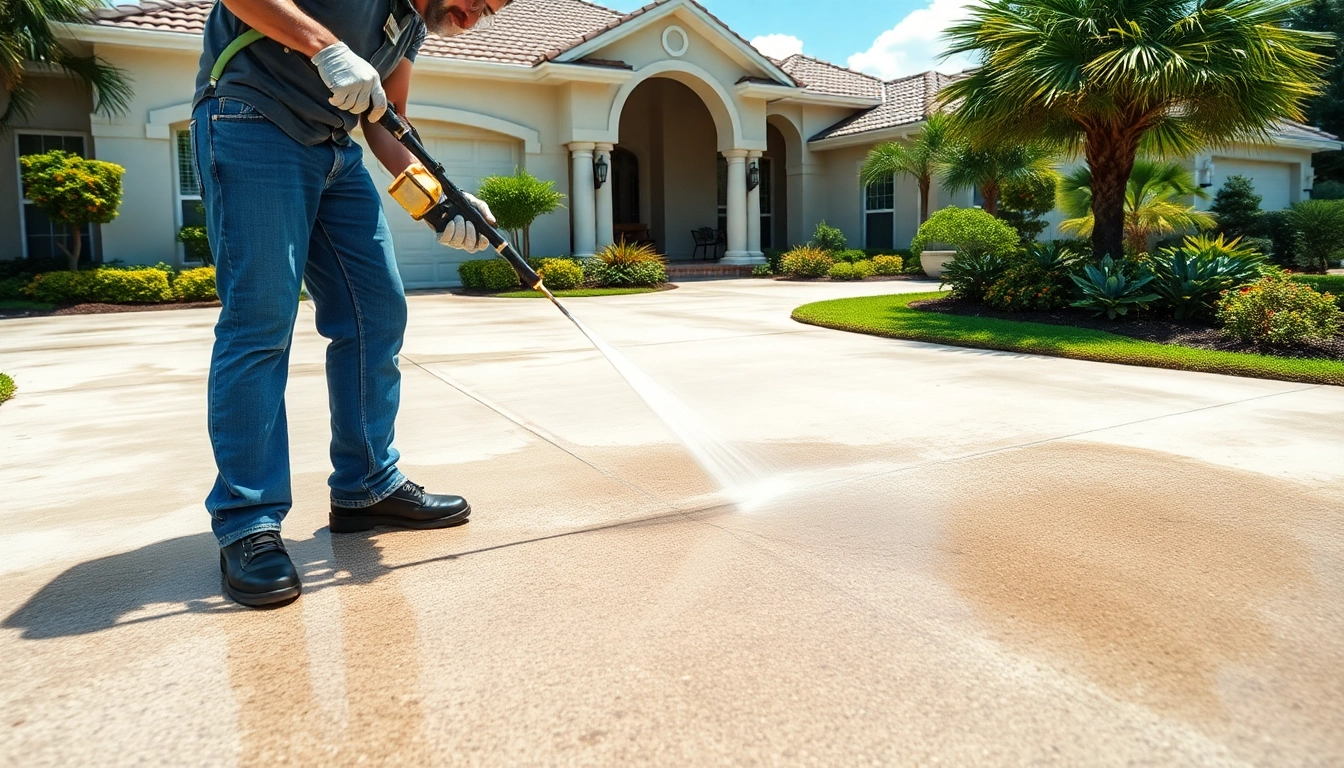
Understanding Concrete Cleaning Methods
Concrete surfaces, whether driveways, patios, or commercial walkways, often accumulate grime, oil stains, and organic growth over time. Regular maintenance is essential not only for aesthetics but also for prolonging the life of your concrete. By implementing effective cleaning methods, homeowners and business owners in Kissimmee and the surrounding Orlando area can maintain the integrity and appearance of their concrete surfaces. For those looking into professional services, exploring options like concrete cleaning can provide comprehensive insights into the benefits of specialized care.
The Importance of Regular Concrete Cleaning
Regular concrete cleaning is vital for several reasons:
- Enhances Curb Appeal: Clean concrete surfaces can significantly improve the overall appearance of your property, making it more inviting to guests and customers.
- Prevents Damage: Dirt, grime, and mold can penetrate the surface of concrete, leading to cracks and other forms of damage over time.
- Safety: Clean concrete is less slippery, reducing the risk of falls and injuries, especially in commercial settings.
- Increases Longevity: Proper and regular cleaning helps extend the life of your concrete surfaces, saving you money on repairs and replacements.
Different Methods of Concrete Cleaning
There are several methods for cleaning concrete, each effective depending on the situation:
- Pressure Washing: This method uses high-pressure water jets to remove dirt and stains quickly. It’s particularly effective for driveways and commercial areas that see heavy foot traffic.
- Soft Washing: A gentler approach that combines low-pressure washing with specialized detergents. It’s ideal for areas where damage could occur from high pressure, such as around windows or delicate surfaces.
- Chemical Cleaning: This involves the application of specific cleaning agents designed to break down grime and stains without the need for aggressive scrubbing or high pressure.
When to Choose Pressure Washing vs. Soft Washing
Deciding between pressure washing and soft washing depends on the condition of the concrete surface:
- If the concrete is heavily soiled or has oil stains, pressure washing is recommended as it effectively removes stubborn contaminants.
- For more delicate surfaces or freshly poured concrete, soft washing is safer and less likely to cause surface damage.
Tools and Equipment for Effective Concrete Cleaning
Essential Tools for DIY Concrete Cleaning
For those considering a DIY approach, possessing the right tools is crucial:
- Pressure Washer: A quality pressure washer with adjustable pressure settings is essential for tackling various cleaning tasks.
- Concrete Cleaner Solution: Special solutions designed to break down tough stains can be used alongside a pressure washer.
- Protective Gear: Ensure you have gloves, goggles, and non-slip footwear to protect yourself during the cleaning process.
Choosing the Right Pressure Washer
When selecting a pressure washer for concrete cleaning, consider the following:
- PSI Rating: Look for a unit with a pressure rating of at least 3000 PSI for effective concrete cleaning.
- GPM Rating: A higher gallons per minute (GPM) rating ensures faster cleaning as it utilizes more water flow.
- Accessories: Different nozzles and surface cleaners can enhance the effectiveness of the pressure washing process.
Eco-Friendly Cleaning Solutions for Concrete
In recent years, there has been a notable shift towards eco-friendly cleaning solutions. These products are designed to be effective while minimizing environmental impact. Look for options that are biodegradable and free from harsh chemicals. Brands that offer eco-friendly products often provide greater peace of mind regarding both health and environmental safety.
Best Practices for Concrete Cleaning
Preparing Your Surface Before Cleaning
Preparing your concrete surface is critical for achieving the best results:
- Clear the Area: Remove any furniture, plant pots, or debris from the surface that needs cleaning.
- Pre-Treat Stains: For stubborn oil stains, apply a degreaser beforehand and allow it to sit for a few minutes.
- Wet the Surface: Wetting the concrete can help prevent damage from pressure washing and loosen up dirt.
Step-by-Step Guide to Concrete Cleaning
Follow these steps for effective concrete cleaning:
- Prepare the area by removing obstacles and applying any pre-treatments.
- Choose the appropriate pressure setting for your washer and attach the correct nozzle.
- Start washing from the highest point to the lowest, using even strokes to avoid streaks.
- Rinse the area thoroughly to ensure all cleaning agents and debris are removed.
- Allow the surface to dry before applying any sealants or further treatments.
Safety Tips for Handling Cleaning Equipment
Safety should always be your priority when using pressure washing equipment:
- Read the Manual: Familiarize yourself with the equipment’s operation and safety features.
- Wear Protective Gear: Always use safety goggles and gloves; hearing protection may also be necessary.
- Check for Hazards: Make sure the area is clear of electrical hazards and that you’re using equipment rated for the surfaces being cleaned.
Common Challenges in Concrete Cleaning
Dealing with Stubborn Stains and Grime
Stains from oil, grease, and organic materials can sometimes require special attention:
- For oil stains, using a degreasing agent combined with a pressure washer can restore your concrete surface effectively.
- For mold and mildew, consider using a solution containing bleach or a commercial cleaner specifically designed for that purpose.
Understanding the Risks of Pressure Washing
While pressure washing is an effective cleaning method, it comes with certain risks:
- Surface Damage: Using too high of a pressure setting can erode the surface of the concrete.
- Flying Debris: Watch out for debris that can become projectiles; always keep bystanders at a safe distance.
Common Mistakes to Avoid When Cleaning Concrete
To ensure the best results, be mindful of these common mistakes:
- Using the wrong pressure setting can lead to damage; always start with the lowest setting and increase as necessary.
- Neglecting to pre-treat tough stains can make the cleaning process less effective.
- Failing to rinse thoroughly can leave residue that attracts dirt faster than before.
The Future of Concrete Cleaning in 2025
Innovative Technologies in Concrete Cleaning
As technology advances, more innovative cleaning solutions are expected to emerge:
- Automation: Robotic cleaners that can autonomously clean concrete surfaces are being developed, allowing for quicker and more efficient cleaning.
- Smart Pressure Washers: Devices that can adjust water pressure and temperature based on the surface being cleaned are becoming more commonplace.
Trends in Eco-Friendly Cleaning Practices
More consumers are demanding eco-friendly cleaning practices. Look for the following trends:
- Biodegradable Cleaners: Increased availability and effectiveness of environmentally safe cleaning products.
- Water Recycling Systems: Technologies that allow for the reuse of water in pressure washing can conserve resources and reduce costs.
How to Stay Ahead of Concrete Maintenance Needs
Proactive maintenance is key to preserving concrete surfaces. Consider the following strategies:
- Schedule regular cleanings to prevent the buildup of dirt and stains.
- Stay informed about new cleaning technologies and products that can improve your maintenance strategy.
- Consider applying a sealant after cleaning to protect the surface from future stains and damage.