Understanding the Importance of Körpernotdusche für Gewerbe
In industrial environments, safety is a paramount concern. One critical aspect of ensuring workplace safety is the proper installation and maintenance of emergency showers, specifically Körpernotdusche für Gewerbe. These emergency facilities are designed to quickly decontaminate employees exposed to hazardous materials, including chemicals and biological agents. Understanding their importance can potentially save lives and reduce workplace injuries.
What is a Körpernotdusche?
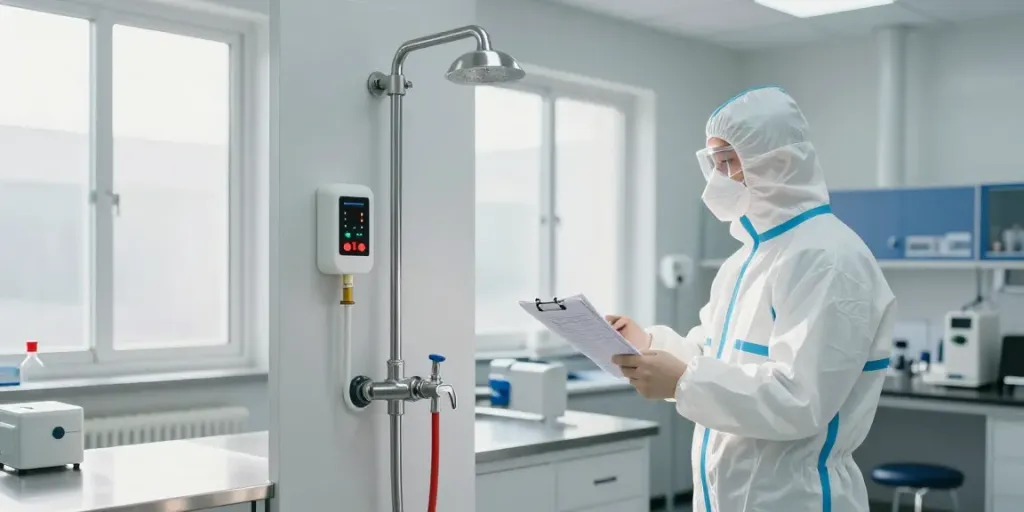
A Körpernotdusche, or emergency body shower, is a specialized installation that provides immediate decontamination for individuals who have come into contact with dangerous substances. Typically constructed from durable materials, such as stainless steel or high-density plastic, these showers are designed to function in extreme conditions. They deliver a continuous flow of water at a safe temperature to rinse away contaminants swiftly and effectively.
The Role of Emergency Showers in Workplaces
Emergency showers play an essential role in various settings, including laboratories, chemical plants, and industrial sites. In the event of an accident, immediate access to an emergency shower can minimize the harmful effects of toxic substances. Regulations often mandate that these showers be installed within a specific distance from potential hazards, reinforcing their role as a critical safety feature in workplaces.
Key Benefits of Installing Körpernotduschen
- Rapid Response: The primary benefit of a Körpernotdusche is its ability to provide quick access to decontamination, helping to mitigate injuries caused by chemical exposure.
- Regulatory Compliance: Installing emergency showers helps organizations comply with workplace safety regulations, ensuring a safer working environment for employees.
- Employee Confidence: Providing emergency safety equipment fosters a culture of safety, contributing to higher employee morale and confidence in their workplace environment.
Regulatory Compliance and Standards for Emergency Showers
Complying with safety regulations is crucial for organizations that aim to protect their employees and avoid legal repercussions. Various standards, including EN (European Norm) and ANSI (American National Standards Institute), govern the design, installation, and maintenance of emergency showers.
Overview of Relevant Safety Standards (EN & ANSI)
The key standards governing the installation and operation of emergency showers include EN 15154 and ANSI Z358.1. EN 15154 specifies the requirements for the design, installation, and performance of emergency showers, emphasizing the need for accessibility and proper function. Similarly, ANSI Z358.1 outlines operational features, demanding that showers deliver a specific water temperature and flow rate to ensure effective decontamination.
How to Ensure Compliance with Körpernotduschen
To guarantee compliance with safety standards, organizations should perform regular inspections and maintenance of their emergency showers. Documenting these inspections and ensuring that they meet the required flow rates and temperatures is essential. Additionally, organizations may consider consulting with safety equipment experts to ensure that their installations comply with the latest regulations.
Documentation and Certification Requirements
Proper documentation is crucial when it comes to regulatory compliance. Organizations must maintain records of installation, maintenance, and inspections. This documentation should include certificates of conformity from manufacturers to verify that the equipment meets safety standards. Regular audits can also help identify areas for improvement.
Choosing the Right Körpernotdusche for Your Industry
Selecting the appropriate emergency shower requires careful consideration of several factors that can impact safety and compliance. Understanding your industry's specific needs is key to making the right choice.
Factors to Consider When Selecting an Emergency Shower
When evaluating potential Körpernotduschen, consider the following factors:
- Location: Ensure that emergency showers are accessible, typically located within ten seconds reach from hazardous areas.
- Water Source: Confirm that the installation can provide a continuous supply of water at the appropriate temperature.
- Material Durability: Choose materials resistant to corrosion and suitable for the specific chemicals present in your environment.
Customizable Features for Specific Needs
Many manufacturers offer customizable features tailored to specific operational needs. Options like heated water systems for cold environments, acoustic alarms for alerts, and even illumination systems can enhance safety features. Assessing the unique challenges of your work environment will help in selecting the right features.
Common Mistakes in Selecting Körpernotduschen
Organizations often make critical errors when selecting emergency showers. These include not conducting a thorough risk assessment, failing to consider the specific requirements of hazardous materials, and overlooking the need for regular training of employees on proper usage. Ensuring that your selection process is thorough and informed will enhance safety.
Maintenance and Best Practices for Emergency Showers
The effectiveness of emergency showers can diminish if they are not properly maintained. Regular inspections and maintenance are essential to ensure that these safety devices perform correctly when needed.
Importance of Regular Inspections and Testing
Emergency showers should be inspected at least once a month to ensure they are fully operational. This includes checking water flow rates, temperatures, and the presence of any physical damage. Documenting these inspections is crucial for compliance and safety assurance.
Maintenance Tips to Extend the Lifespan
To extend the lifespan of your Körpernotduschen, consider these maintenance tips:
- Regularly flush the system to prevent sediment buildup.
- Inspect and replace worn or damaged components promptly.
- Keep the surrounding area unobstructed and clearly marked to ensure accessibility during emergencies.
How to Create a Maintenance Schedule
A comprehensive maintenance schedule should include the following elements:
- Monthly inspections and flushing.
- Annual certification checks to confirm compliance with relevant standards.
- Regular reviews of the training provided to employees regarding the use of emergency showers.
Future Trends in Emergency Safety Equipment for 2026
As we move forward into 2026, several trends are emerging in the field of emergency safety equipment, including innovations in technology, increased focus on compliance, and a shift towards integrating safety into workplace cultures.
Innovations in Körpernotdusche Technology
Emerging technologies are reshaping the effectiveness of emergency showers. Innovations such as advanced sensors to monitor water temperature and flow are being integrated into new designs. Some manufacturers are exploring the use of IoT devices to provide real-time data on equipment status and compliance, enhancing overall safety.
The Role of IoT in Safety Compliance
The Internet of Things (IoT) has the potential to revolutionize emergency safety equipment management. By integrating smart technology into emergency showers, organizations can monitor the operational status remotely, receive alerts for maintenance needs, and ensure compliance with safety standards seamlessly.
Increasing Focus on Workplace Safety Culture
As workplace safety continues to evolve, organizations are increasingly prioritizing a safety-driven culture. This includes not only the installation of safety equipment like Körpernotduschen but also comprehensive training and regular safety drills to ensure that employees are prepared to respond effectively in emergencies.
Frequently Asked Questions about Körpernotduschen
What are the required regulations for installing emergency showers?
Regulations vary by region; however, they generally include standards for accessibility, water temperature, and flow rate compliance. It is crucial to consult local standards, such as EN and ANSI guidelines.
How often should Körpernotduschen be inspected?
Emergency showers should ideally be inspected monthly, with a more comprehensive review performed annually to ensure compliance with safety standards and functionality.
Can Körpernotduschen be customized for specific environments?
Yes, many manufacturers offer customization options, allowing organizations to tailor their emergency showers to specific environmental needs and challenges.
What materials are typically used in Körpernotduschen?
Common materials include stainless steel for corrosion resistance, high-density polyethylene for lightweight installations, and brass components for durability.
How do I request a quote for a customized Körpernotdusche?
Organizations can typically request quotes directly from manufacturers by providing details about their specific needs, such as location, required features, and compliance standards.